
Community Cyber Safety sessions
We deliver approachable sessions on scams, suspicious messages, fake requests, account safety, and safer online habits, using examples people are likely to recognise.
Choose the kind of help you need.
 Not sure where to start? Tell us what is happening and we will point you to the safest next step.
 Practical Cyber Safety products for everyday people, families, devices, and valuables.
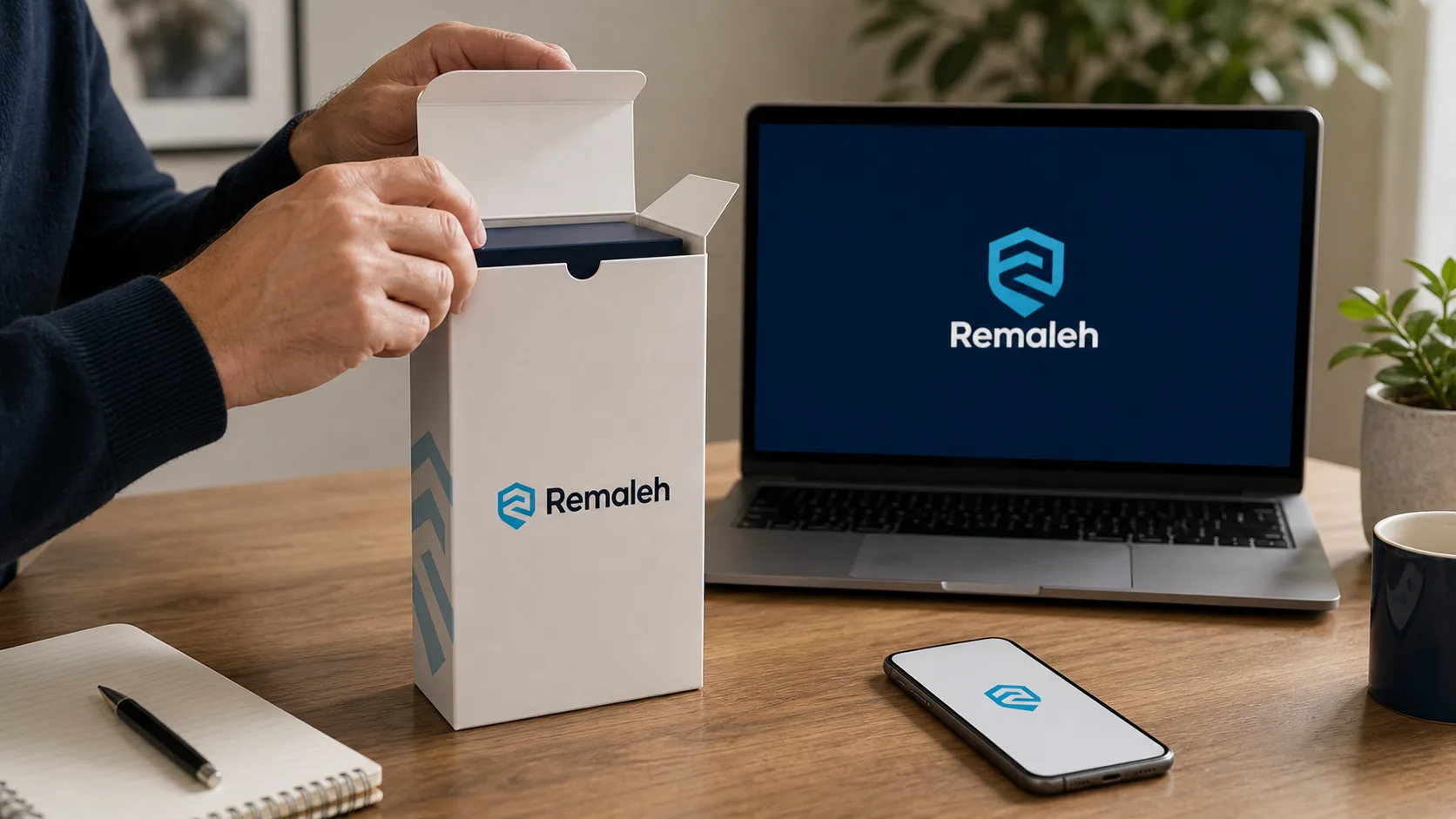 Easy to use Cyber Safety Products Built to help everyday people and families understand risks, make safer choices, and feel empowered without technical complexity.
 Practical Cyber Safety support for individuals, families, and communities.
 Different lives, different online risks Remaleh shapes Cyber Safety support around the accounts, devices, people, and routines that matter day to day.
 Learn about Remaleh and how to work with us.
Contact Us
 Need help with online safety? Tell us what is happening and we will help you find the right next step.
 Remaleh helps community centers run clear, useful sessions on scams, suspicious messages, account safety, and safer online habits, so attendees leave knowing what to trust, avoid, check, or secure.
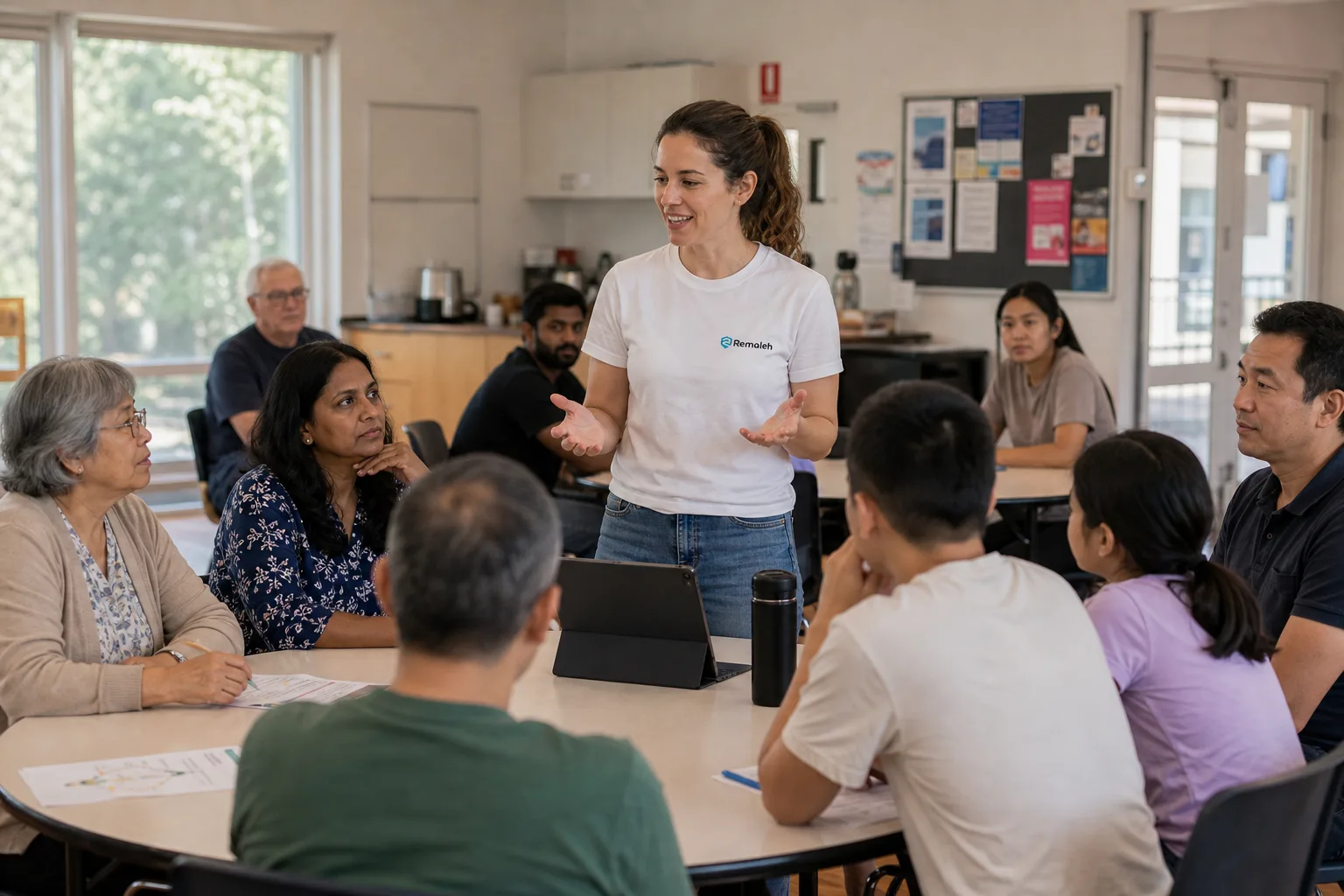
An attendee may ask about a strange text, a fake bank message, a parcel scam, a login alert, or a payment request they are unsure about. A practical Cyber Safety session gives people simple habits they can use before they click, reply, share details, or act.
We deliver approachable sessions on scams, suspicious messages, fake requests, account safety, and safer online habits, using examples people are likely to recognise.
We give staff and volunteers clear language for common questions, including when to encourage someone to pause, verify, contact a bank or platform, or seek personal support.
We help turn the session into simple reminders people can use later: check the sender, avoid rushed decisions, protect key accounts, and ask before acting.
People learn warning signs in suspicious texts, emails, calls, account alerts, and payment requests before they share details or act.
Your team has a shared way to answer basic questions and point people toward individual support when a concern needs more help.
The session gives practical language and examples your center can reinforce across future programs, workshops, and events.